


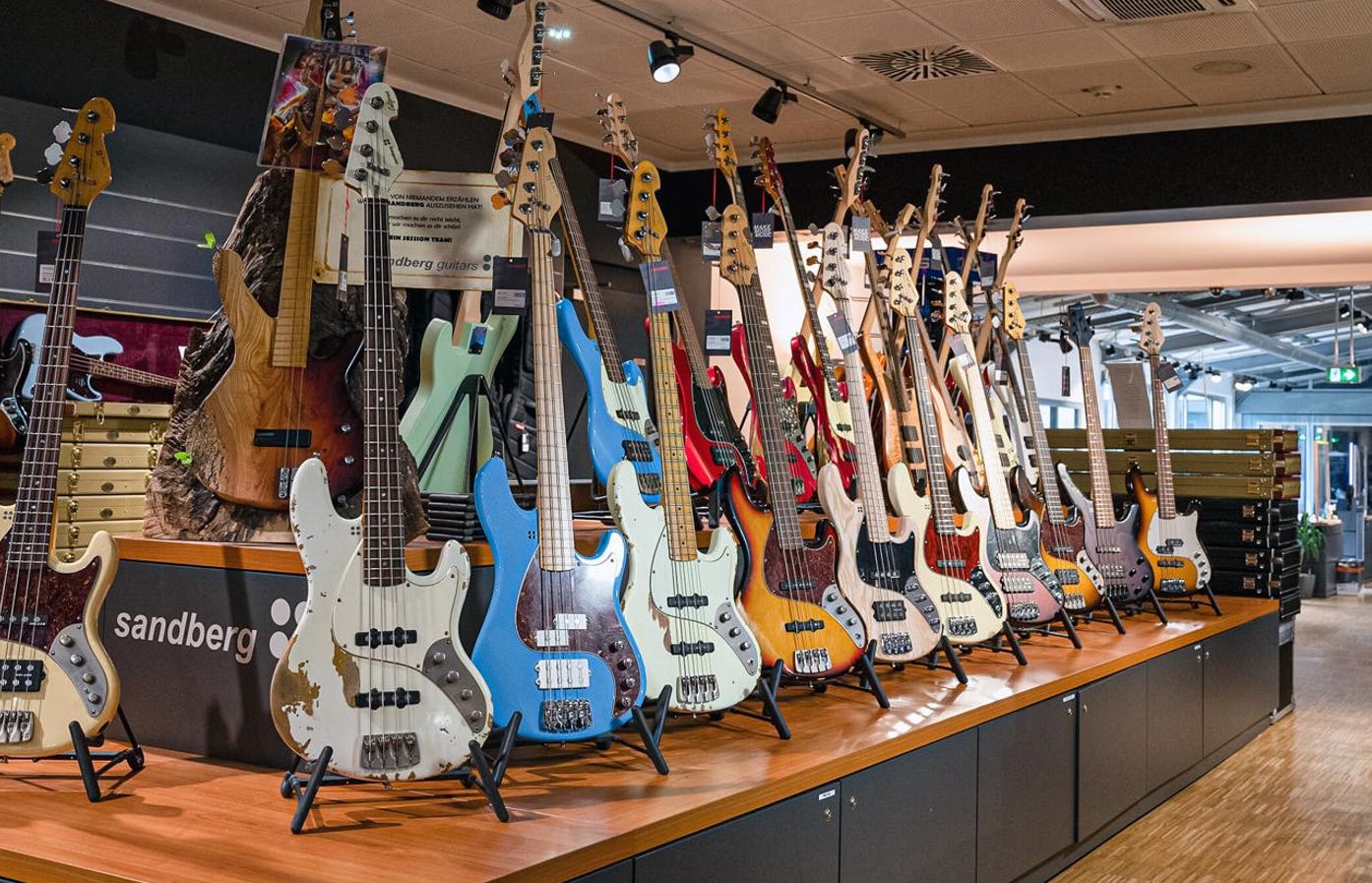
Most bass companies build instruments.
Sandberg Guitars builds personalities.
That’s the first thing players discover once they spend real time with the Sandberg lineup.
These basses are not simply organized by shape or pickup configuration. Each series feels like it was built for a completely different kind of musician, emotional approach, and stage environment.
Some feel like precision studio weapons.
Others feel like vintage muscle cars.
Some are refined and elegant.
Others look like they survived a post-apocalyptic world tour.
And somehow…
they all still feel unmistakably Sandberg.
What makes the company fascinating is that every model line carries a very distinct identity while still sharing the same DNA:
• precision German craftsmanship
• fast necks
• modern reliability
• powerful electronics
• exceptional balance
• player-first ergonomics
But beneath that shared foundation, each series tells a completely different story.
This is not just a breakdown of specifications.
This is the emotional map of the Sandberg universe.
Part 2 — The Basic Series: The Gateway Into the Sandberg World
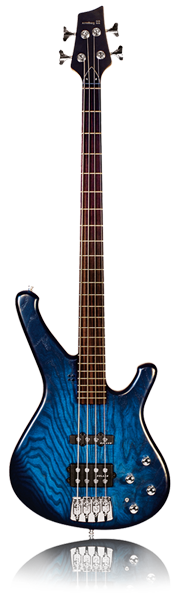
The Basic Series is where Sandberg fully embraced modern bass design without trying to hide behind vintage inspiration.
This is the series for players who want:
• clarity
• flexibility
• power
• precision
• modern tonal control
The Basic basses immediately stand apart visually because they feel sleeker and more contemporary than the California or Classic lines. The bodies are sculpted for comfort, the electronics are extremely versatile, and the tone feels muscular and hi-fi without becoming sterile.
These basses became especially popular among:
• fusion players
• progressive musicians
• session bassists
• gospel players
• technically demanding performers
One reason musicians love the Basic series is because the EQ systems are incredibly responsive. Tiny adjustments can dramatically reshape the instrument’s voice.
Need glassy slap tones? Easy.
Need warm fingerstyle depth? No problem.
Need aggressive modern attack for heavy music? Done.
The Basic series feels like Sandberg saying:
“We can do futuristic performance instruments too — and we can do them at the highest level.”
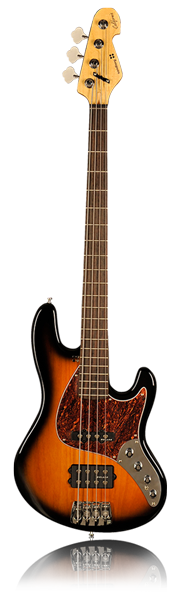
Part 3 — The California Series: The Soul of Sandberg
If one series defines Sandberg globally, it is the California Series.
This is where vintage inspiration and modern evolution collide perfectly.
The California line takes familiar concepts inspired by classic American basses and pushes them into the modern era with:
• improved ergonomics
• lighter balance
• modern electronics
• precision construction
• incredible customization
The lineup includes variations like:
• VM
• TM
• TT
• VS
Each represents different pickup combinations and tonal personalities.
The California series became famous because players instantly felt comfortable with them while also realizing they could do far more than traditional vintage instruments.
They feel familiar… but upgraded in every possible way.
And visually, this is where Sandberg’s famous “Hardcore Aged” finishes exploded in popularity.
Unlike relic finishes that sometimes feel artificial or exaggerated, Sandberg aging often looks believable — like instruments that survived decades of clubs, studios, trucks, bars, sweat, and world tours.
The California series became beloved because it combines:
• vintage emotion
• modern reliability
• boutique craftsmanship
without losing attitude.
Part 4 — The Classic Series: Vintage Authority With Modern Stability
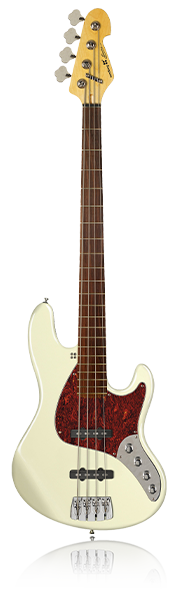
The Classic Series feels like Sandberg tipping its hat respectfully toward traditional bass history.
But even here, they refuse to become trapped by nostalgia.
These instruments lean harder into old-school aesthetics, traditional layouts, passive-style tonal character, and vintage feel — but underneath the surface they still carry Sandberg precision.
Vintage basses are magical… until they become unreliable.
Sandberg solved that problem.
The Classic series gives players:
• old-school warmth
• smooth low mids
• vintage attack
• traditional visual styling
• organic feel
while maintaining modern playability and tuning stability.
These basses excel in:
• blues
• classic rock
• soul
• roots music
• jazz
• vintage-inspired recording environments
If the California series is “modern vintage,” the Classic series feels like:
“timeless vintage perfected.”
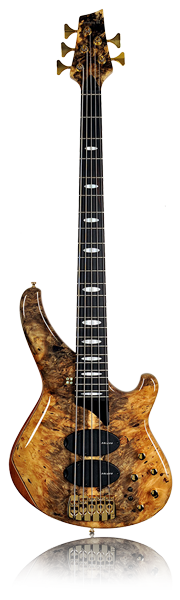
Part 5 — The Custom Series: The Sandberg Laboratory
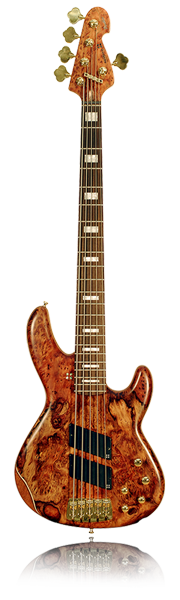
The Custom Series is where Sandberg fully unleashes creativity.
This line represents the company’s boutique experimental side:
• exotic woods
• elaborate finishes
• premium electronics
• highly individualized builds
• visually stunning craftsmanship
These basses often feel like works of art designed for serious professional musicians.
But unlike some ultra-boutique instruments that prioritize appearance over usability, Sandberg customs remain highly functional working tools.
That balance is crucial.
The Custom line demonstrates that Sandberg can compete at the very highest boutique level while still preserving practical stage performance and player comfort.
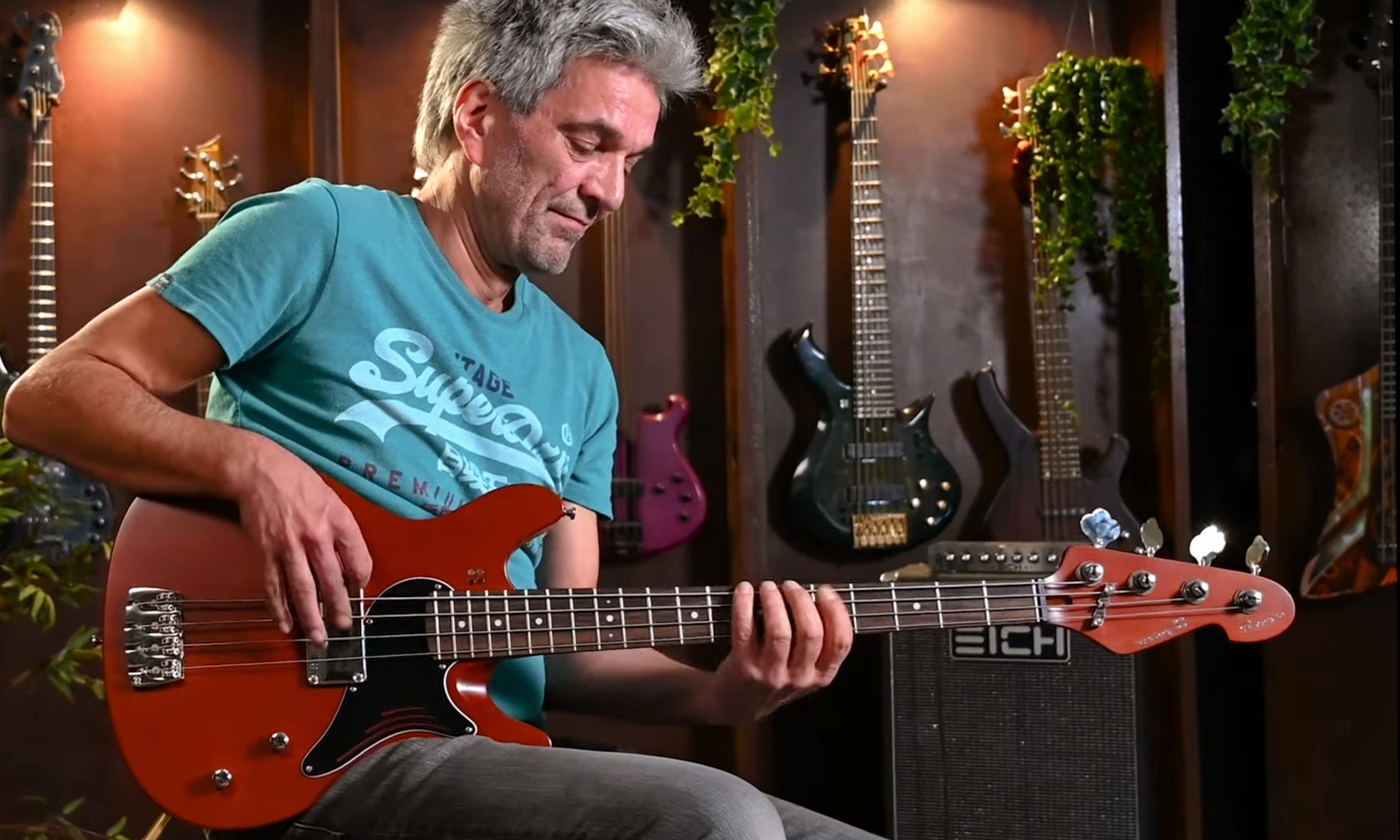
Part 6 — The Florence Bass: Sandberg Goes Retro Rebel
The Florence Bass feels like Sandberg stepped into an alternate timeline where garage rock, punk attitude, and vintage rebellion merged together.
This is one of the company’s coolest and most underrated creations.
The Florence carries:
• stripped-down simplicity
• retro personality
• raw attack
• minimalist cool
Its single-pickup approach gives it a direct, punchy, unapologetic character that cuts beautifully through mixes.
The Florence isn’t trying to be hyper-modern.
It’s trying to feel dangerous.
These basses attract players who love:
• indie rock
• punk
• garage tones
• alternative music
• minimalist aesthetic philosophy
It’s a bass with swagger.


Part 7 — The Forty Eight: Pure Rock & Roll Brutality
The Forty Eight looks like it wants to start a riot.
Inspired partly by retro offset and rebellious aesthetics, the Forty Eight became one of Sandberg’s most visually aggressive models.
This bass screams:
• hard rock
• industrial
• punk
• stoner rock
• alternative metal
• dirty stage energy
Everything about it feels confrontational in the best possible way.
The pickup configurations deliver huge authority and thick midrange presence while still maintaining Sandberg articulation.
Players love the Forty Eight because it feels:
• raw
• loud
• physical
• unapologetically alive
The Forty Eight has attitude.
And attitude matters.
Part 8 — The Panther: The Modern Predator
The Panther Series represents Sandberg’s high-performance modern predator.
Fast.
Sharp.
Precise.
Aggressive.
These basses were clearly designed for players demanding maximum modern response.
The Panther line excels in:
• progressive music
• fusion
• technical playing
• modern metal
• advanced slap techniques
• highly articulate performance environments
Compared to the warmer California or Classic series, Panthers often feel more surgical and immediate.
The response is incredibly fast.
These instruments reward precision and dynamic control, making them favorites among technically advanced bassists who need clarity under demanding conditions.
Part 9 — The Electra Series: Bringing Sandberg to More Players
The Electra Series may be one of the most important lines Sandberg ever created.
Why?
Because it allowed far more musicians to enter the Sandberg world.
The Electra basses preserve much of the Sandberg philosophy:
• comfort
• tone
• playability
• visual identity
• versatility
while making the instruments more financially accessible.
And importantly…
they still feel like real Sandbergs.
That matters enormously.
Many affordable instrument lines from premium companies feel disconnected from the flagship experience.
The Electra series does not.
These basses became hugely popular among:
• younger players
• gigging musicians
• semi-professionals
• content creators
• bassists wanting boutique-inspired quality without boutique pricing
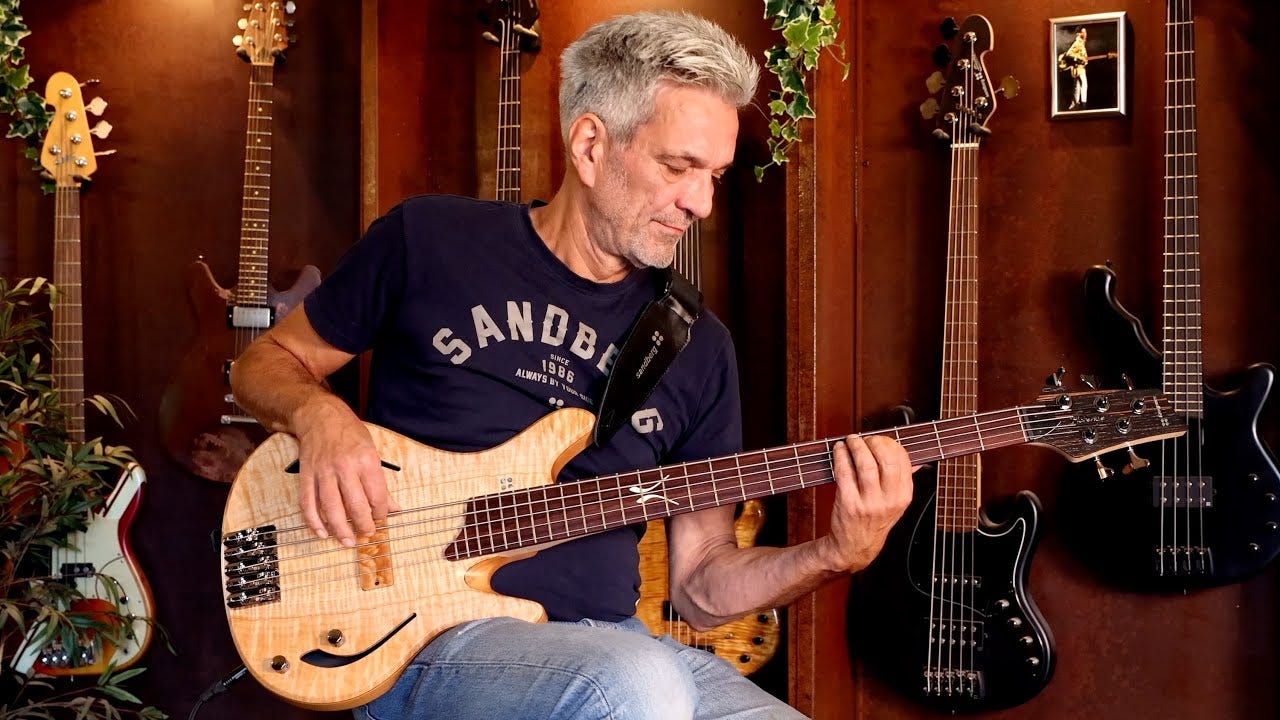
Part 10 — Why the Sandberg Lineup Matters
What makes the full Sandberg lineup special is not simply variety.
It’s identity.
Every series feels intentional.
Every model has personality.
Every instrument feels connected to real musicians and real stages.
The lineup doesn’t feel designed by corporate committee.
It feels designed by people obsessed with helping bass players find THEIR instrument.
And that may be Sandberg’s greatest achievement of all.
Not just building basses…
but building emotional connections between musicians and the tools that become part of their artistic lives.