


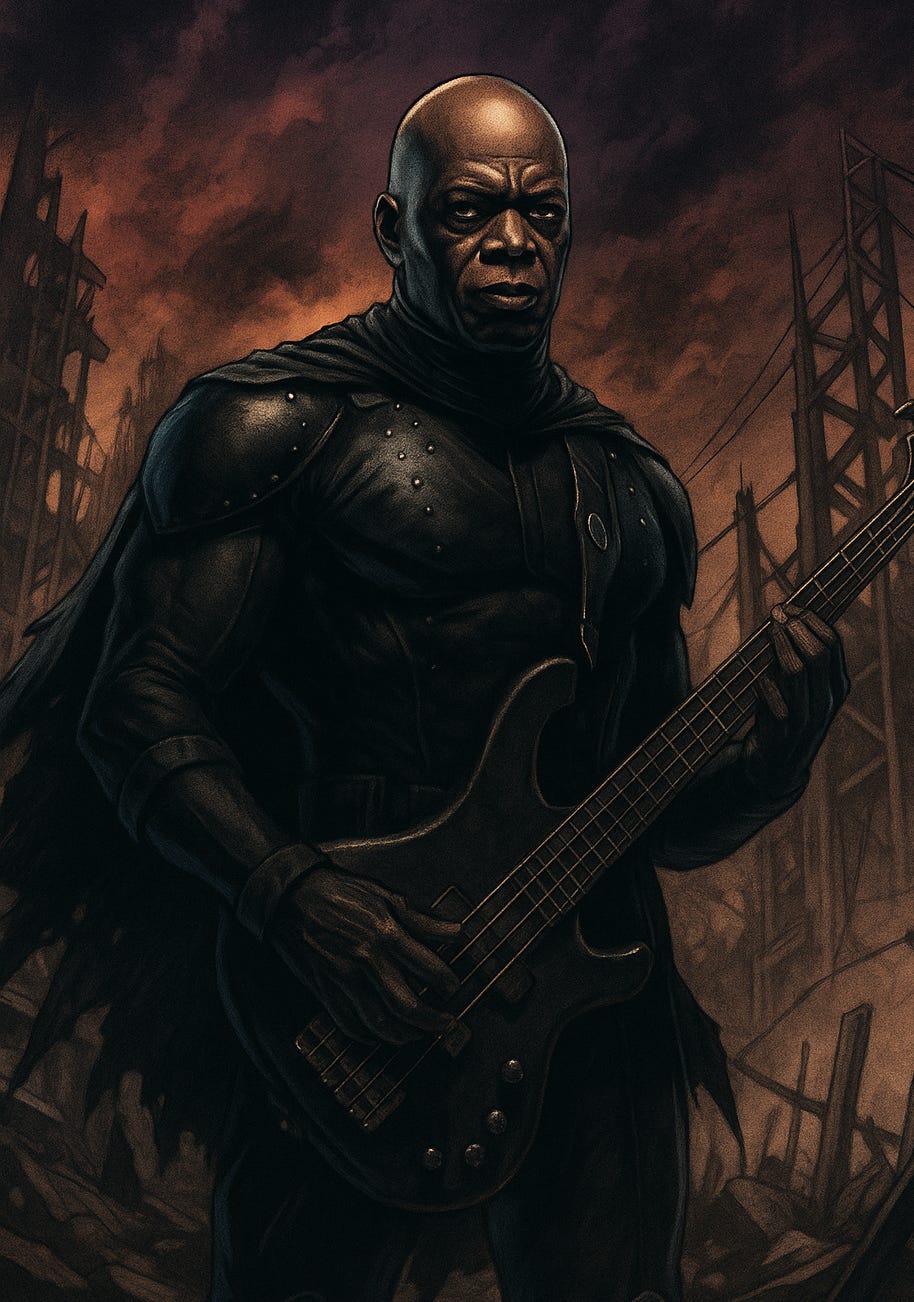
Some bass players become famous through flashy solos.
Others become legendary because musicians themselves quietly say:
“Yeah… that guy is the real deal.”
Ken Taylor belongs firmly in that second category.
For decades, Ken Taylor has been regarded as one of the most respected session and touring bassists in Europe — a player whose groove, discipline, tone, and musical intelligence placed him in the highest tier of professional musicianship.
And yet outside serious musician circles, many casual listeners may not fully realize how often they’ve actually heard him.
That’s the strange reality of elite session bass players.
Their fingerprints end up everywhere.
Unlike rock stars who dominate headlines, players like Ken become part of the invisible infrastructure of modern music itself. They are trusted because they make songs stronger. Bands tighter. Performances deeper.
And that trust is earned over decades.
Born in Australia, Ken Taylor eventually relocated to Europe and built a career through relentless musicianship, professionalism, and adaptability. Over time, he became associated with major artists, television productions, recording sessions, touring acts, and large-scale musical productions across Germany and beyond.
What made Ken stand out immediately was his balance.
He had technical ability without ego.
Precision without stiffness.
Groove without overplaying.
Professionalism without losing soul.
That combination is incredibly rare.
Because the higher musicians climb professionally, the more they discover something important:
Being a great bassist is not only about notes.
It’s about judgment.
And Ken Taylor developed extraordinary judgment.
Part 2 — Building a Career Through Musical Intelligence
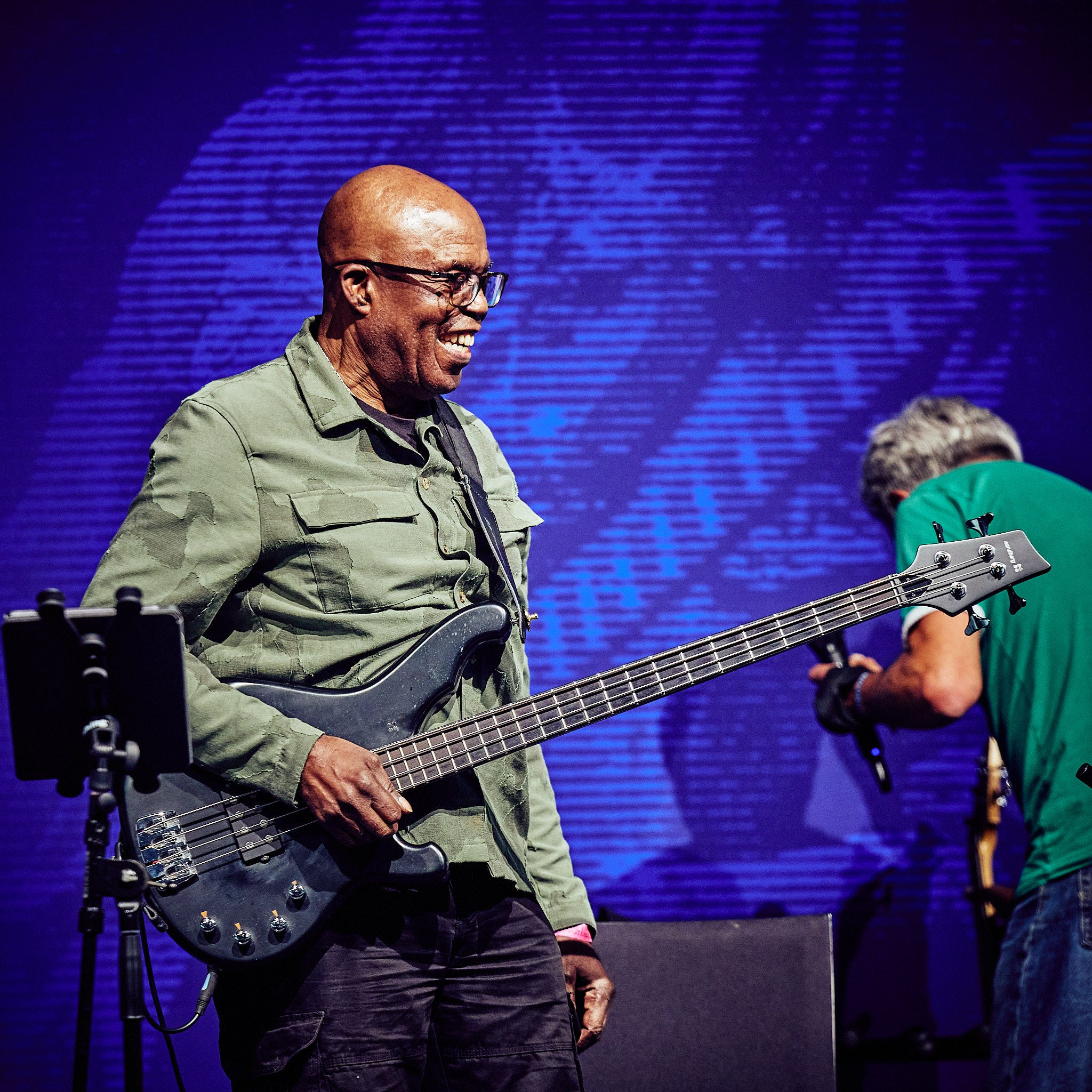
As Ken established himself throughout Europe, he became known as the kind of bassist who could walk into almost any musical environment and immediately make the entire band sound better.
That’s a superpower.
Session bass playing is one of the most difficult jobs in music because it requires constant adaptation. One day you may be playing pop. The next day funk. Then jazz-influenced material. Then television orchestration. Then arena-level live productions.
You must become musically multilingual.
Ken mastered that world.
Over the years, he performed and recorded with major artists including Maffay, one of Germany’s most successful and enduring rock performers. Working at that level requires consistency night after night under enormous production standards.
And Ken delivered.
What made his playing so respected among other musicians was his deep understanding of musical space. He never sounded like a bassist trying to “prove” himself.
Instead, he focused on:
locking into grooves,
supporting arrangements,
enhancing dynamics,
and creating feel.
That’s why producers trusted him.
That’s why artists kept calling him.
Many bass players can technically play complicated parts.
Far fewer can make entire productions feel emotionally grounded.
Ken developed that ability through years of experience, discipline, and listening.
And another important thing happened along the way:
His tone became instantly recognizable.
Warm.
Articulate.
Punchy.
Controlled.
Professional.
A sound that could sit perfectly in large productions without overpowering the music.
Eventually, one company became permanently connected to that sonic identity:
Sandberg Guitars.
Part 3 — Ken Taylor and the Birth of a Sandberg Classic
Among Sandberg artists, Ken Taylor occupies a very special place in the company’s history.
Because his signature instrument didn’t become respected simply as an artist endorsement.
It became one of the defining Sandberg models itself.
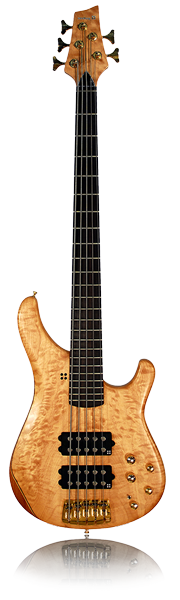
The Sandberg Ken Taylor bass evolved into a cornerstone of the company’s lineup and helped establish Sandberg’s international reputation for serious professional instruments.
That’s an enormous achievement.
The Ken Taylor model became famous because it delivered extraordinary versatility without sacrificing musical personality.
Players quickly discovered that the instrument could handle nearly anything:
studio work,
live touring,
slap bass,
fingerstyle,
pick playing,
funk,
rock,
fusion,
pop,
session environments.
And it did all of it convincingly.
The bass typically features:
dual humbucking pickups,
active electronics,
powerful EQ flexibility,
punchy modern articulation,
rich low-end response,
and remarkable tonal control.
But specifications alone don’t explain why players fell in love with it.
The real magic came from balance.
The Ken Taylor Sandberg could sound modern without becoming sterile. Aggressive without becoming harsh. Clean without losing warmth.
That’s incredibly difficult to engineer.
The model also became respected because it reflected Ken’s actual professional needs rather than simply marketing aesthetics. Everything about the instrument felt functional and musical.
It was designed by a working bassist for working bassists.
That authenticity made musicians trust it immediately.
And over time, the Ken Taylor model became one of the instruments many players associated with the “Sandberg sound” itself.
For countless bassists around the world, the Ken Taylor signature model became their first serious introduction to the company.
That impact cannot be overstated.
Part 4 — Why the Ken Taylor / Sandberg Partnership Worked So Perfectly
The relationship between Ken Taylor and Sandberg Guitars worked so well because both sides shared the same philosophy.
Professionalism first.
No gimmicks.
No unnecessary flash.
No compromises in functionality.
Just instruments built to perform at the highest level under real musical conditions.
That mindset shaped Sandberg’s identity for decades.
And Ken embodied it perfectly.
Unlike players whose endorsements revolve entirely around celebrity culture, Ken’s credibility came directly from musicianship. Bassists respected him because he had already earned his place in elite professional circles long before signature gear became common marketing strategy.
So when musicians picked up a Ken Taylor Sandberg, they weren’t buying hype.
They were buying into a philosophy of musical reliability and excellence.
That distinction matters enormously.
Because professional players can sense authenticity immediately.
And the Ken Taylor model felt authentic from day one.
Even today, many bassists still consider it one of the most versatile and dependable instruments Sandberg has ever produced.
Part 5 — Ken Taylor’s Legacy in the Bass World
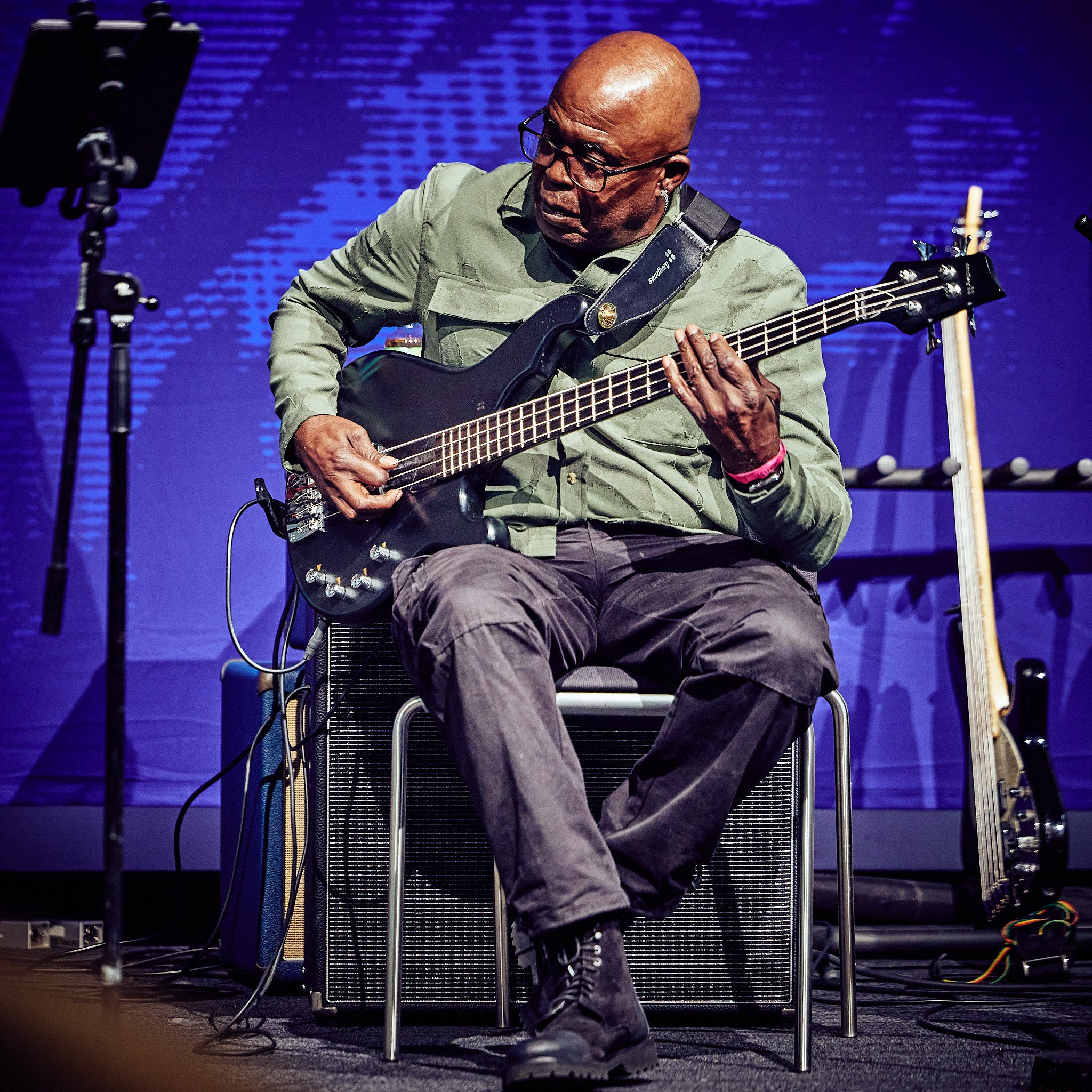
Ken Taylor represents a kind of bassist that younger generations should study more carefully.
Not because of flashy internet moments.
But because of longevity.
Consistency.
Taste.
Professionalism.
Musical maturity.
For decades, he built a career through reliability and excellence — the traits that truly sustain musicians over a lifetime.
And through his long relationship with Sandberg Guitars, he also helped shape one of the most respected modern bass companies in the world.
His signature model became more than a product.
It became part of Sandberg history.
Today, when players talk about instruments capable of handling virtually any professional situation, the Ken Taylor Sandberg remains one of the names that continues to surface again and again.
That lasting respect says everything.
Because trends fade.
Marketing fades.
Hype fades.
But instruments and musicians built on real musical substance…
last forever.