


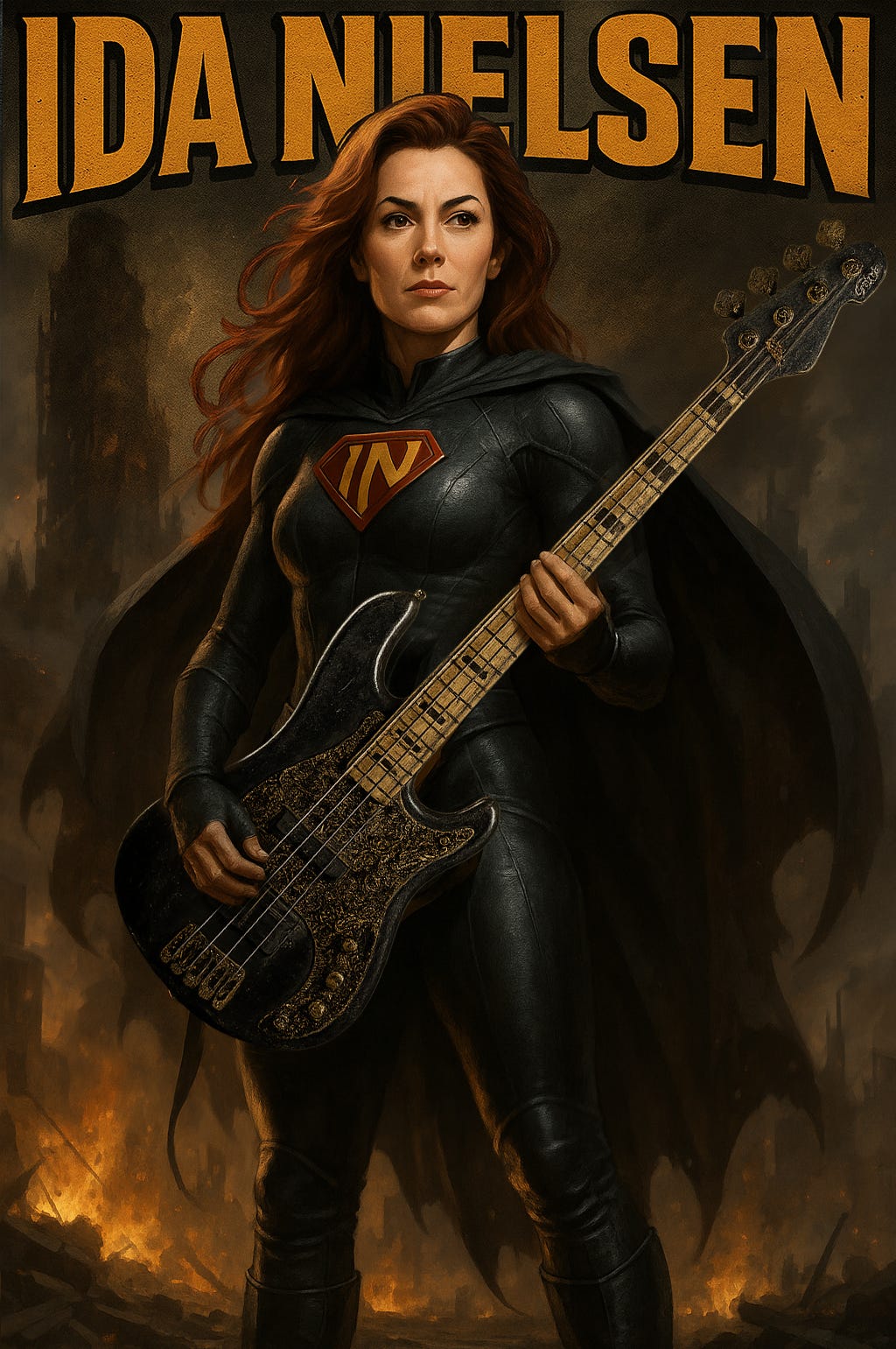
When people talk about modern bass players who completely shattered
the instrument could do, the name Ida Nielsen belongs near the very top of the conversation.
Not because she simply plays fast.
Not because she toured with one of the biggest artists in music history.
And not because she became a social media phenomenon.
Ida Nielsen matters because she represents something much bigger.
She became proof that technical mastery, fearless individuality, stage charisma, groove, and artistic identity could all exist at the same time.
Long before millions of bass fans discovered her online slap bass videos and explosive live performances, Ida was growing up in Denmark surrounded by music. She originally studied upright bass and classical music before gradually becoming obsessed with groove-oriented electric bass playing. That combination would later become one of her secret weapons.
Unlike many players who begin entirely in rock or funk traditions, Ida developed an understanding of harmony, rhythm, arrangement, and musical discipline from a deeper academic foundation. But what made her special was that she never allowed technical knowledge to make her sound stiff.
Everything about her playing stayed physical.
Aggressive.
Danceable.
Alive.
As her musical identity evolved, she absorbed influences from artists like Larry Graham, Marcus Miller, Bootsy Collins, and especially Prince — whose music would eventually change her entire life.
What separated Ida from thousands of technically gifted bass players was her ability to combine slap technique with melodic phrasing and stage performance. Many bassists can groove. Many can shred. Very few can do both while commanding attention as a complete entertainer.
That became her identity.
By the late 2000s and early 2010s, Ida was building a serious reputation through solo projects, clinics, performances, and online videos. Her personality also stood out immediately. She wasn’t trying to imitate traditional “bass hero” culture. She brought humor, color, funk energy, positivity, and explosive stage movement into everything she did.
Then came the moment that changed everything.
Prince discovered her.
And once Prince notices you, the entire world starts paying attention.
Part 2 — Entering the World of Prince
It was entering one of the most demanding musical environments in existence.
Prince expected total commitment, elite musicianship, adaptability, creativity, discipline, and stage presence simultaneously. Musicians in his world had to rehearse endlessly, change arrangements instantly, and survive under extreme musical pressure.
Ida thrived in that environment.
She first became associated with Prince around 2010 and eventually joined groups connected to his evolving live projects, including the explosive female trio 3rdeyegirl.
This era became crucial for her career because the entire world suddenly saw what made her different.
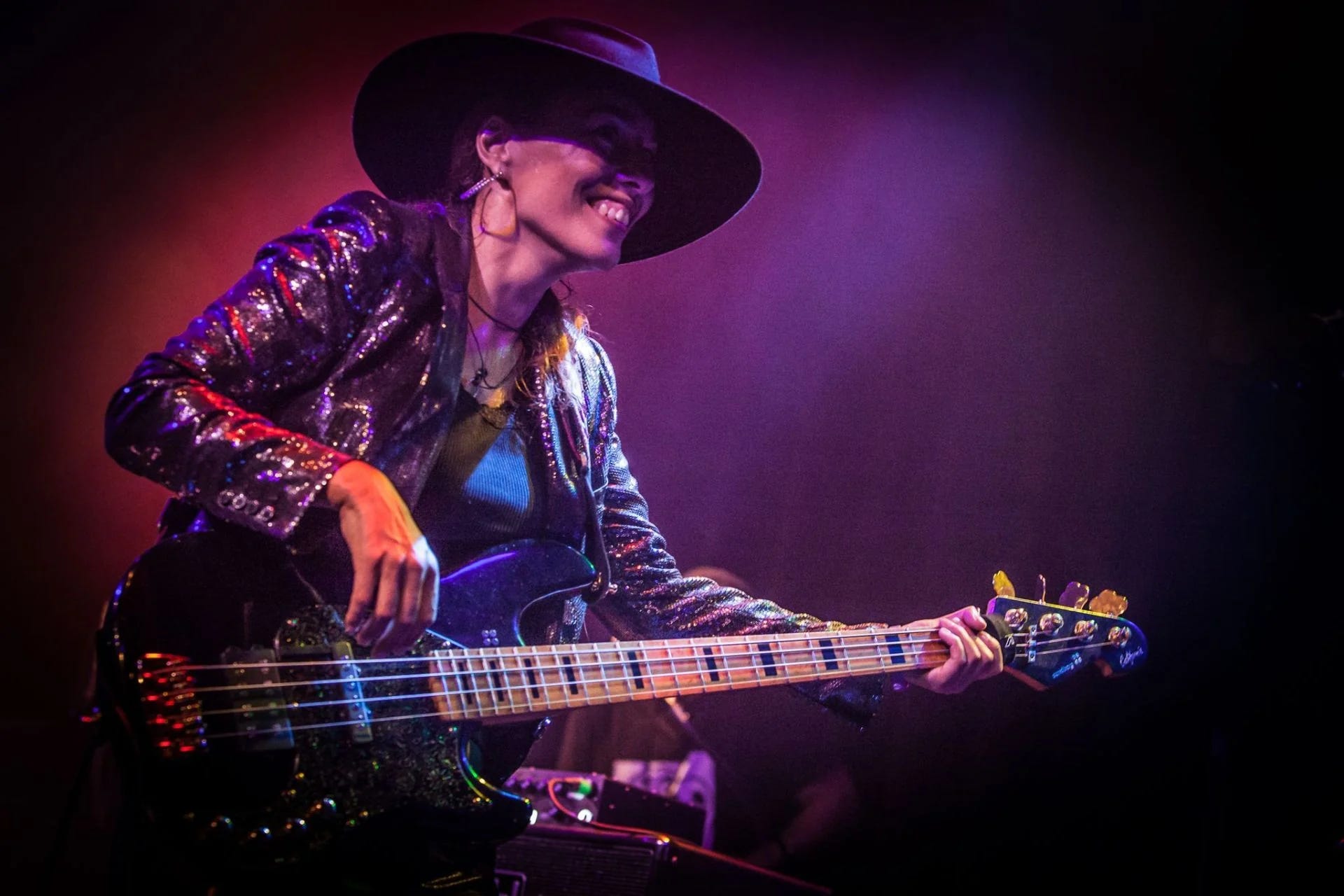
Her attack on the bass was physical and aggressive without losing groove. Her slap tone cut through arenas. Her fingerstyle playing carried enormous authority. She moved constantly onstage while maintaining unbelievable precision.
Most importantly, Prince clearly trusted her.
And Prince did not hand out trust easily.
Fans began searching for her name after performances. Bass communities exploded with discussions about her technique. Videos circulated online showing her impossible thumb speed, funk phrasing, and stage confidence.
But here’s what truly made Ida unique during the Prince era:
She never disappeared into being “Prince’s bassist.”
Instead, she strengthened her own identity.
That’s extremely rare.
Many musicians become permanently defined by the superstar they worked for. Ida managed to use the opportunity as a launchpad while still remaining unmistakably herself.
After Prince’s passing in 2016, many fans expected the end of that chapter to slow her momentum.
The opposite happened.
She expanded internationally as a solo artist, educator, clinician, songwriter, performer, and bass ambassador. Her YouTube performances exploded in popularity. Her clinics became major events. Bassists everywhere began studying her techniques and tone.
And throughout that entire rise, one company became permanently attached to her identity:
Sandberg Guitars.
Part 3 — Ida Nielsen and the Sandberg Identity
The relationship between Ida Nielsen and Sandberg Guitars feels authentic because the instruments genuinely match her personality and playing style.
Sandberg basses have always existed in a unique space between vintage soul and modern precision. They deliver clarity, punch, aggressive articulation, reliability, and customization without losing musical warmth.
That combination fit Ida perfectly.
Her signature Sandberg instruments became extensions of her playing identity rather than simple branding exercises.
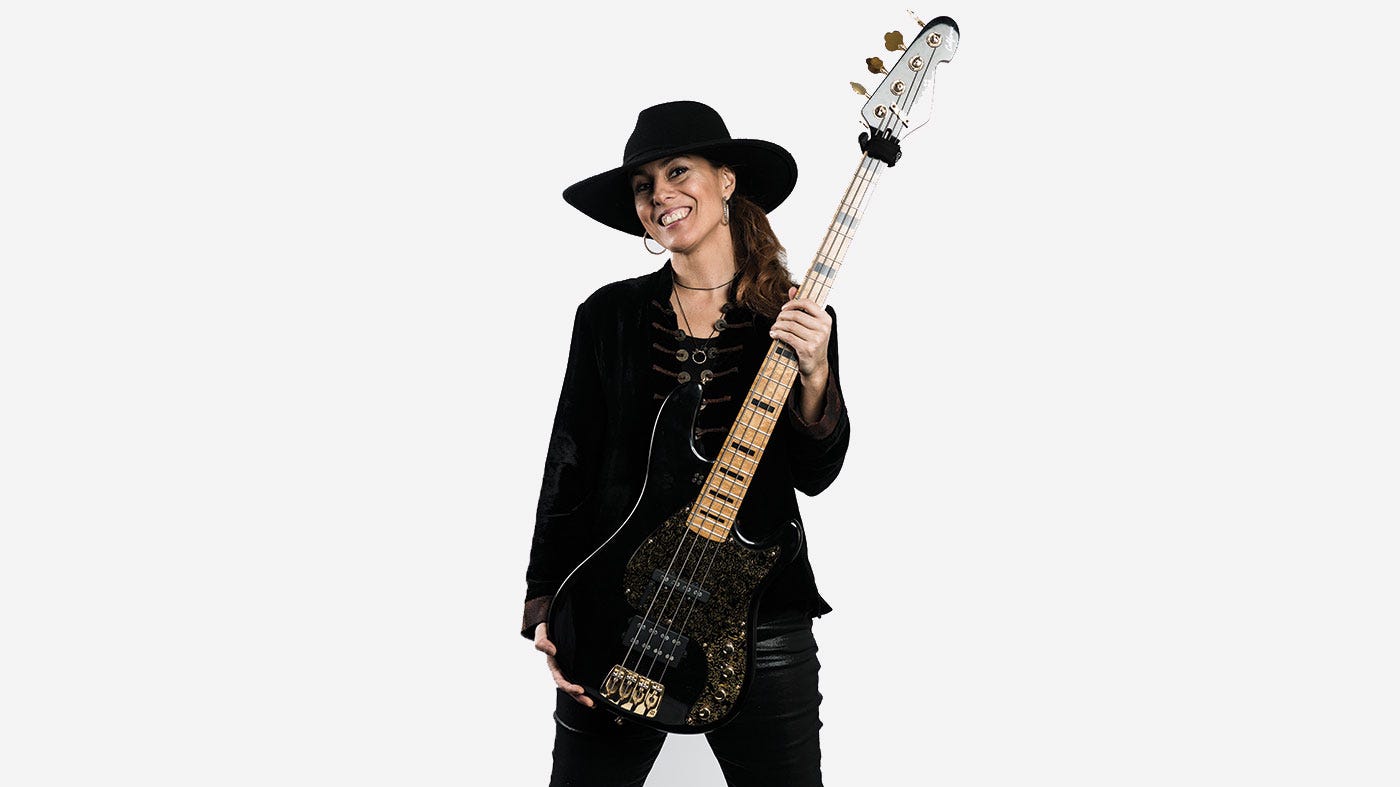
One of the most recognizable models associated with her is the Ida Nielsen Signature based around the Sandberg California platform. The bass reflects everything her playing demands:
Fast neck feel for advanced slap technique
Extremely articulate response
Tight low-end punch
Clear upper mids for funk attack
Lightweight balance for energetic stage movement
Custom visual aesthetics matching her vibrant personality
Her Sandberg instruments often feature:
Reverse P-style pickup configurations
Humbucker combinations
Active electronics
Highly responsive preamps
Roadworn or visually distinctive finishes
Custom color treatments connected to her funk identity
The instruments are designed to survive brutal touring schedules while remaining incredibly expressive.
And that matters because Ida is not a stationary player.
She attacks the stage physically.
A huge part of why her Sandberg basses became so respected among modern bassists is because audiences constantly heard them in real-world professional situations — massive stages, live recordings, clinics, videos, solo performances, and funk improvisations.
These weren’t studio-only boutique instruments hidden behind marketing campaigns.
People heard them work.
That authenticity helped strengthen Sandberg’s visibility internationally, especially among younger bass players discovering modern funk bass online.
In many ways, Ida Nielsen became one of the perfect ambassadors for the modern Sandberg identity:
World-class playing.
Fearless individuality.
European craftsmanship.
Modern tone.
Vintage soul.


No compromise.
Part 4 — Why Ida Nielsen Matters Beyond Bass
She represents creative freedom.
She never tried to become a copy of older bass legends. Instead, she absorbed influences and transformed them into something unmistakably personal.
That’s the lesson younger players take away from her story.
You can be technical without becoming robotic.
You can be flashy without losing groove.
You can be professional without losing personality.
You can honor funk history while sounding modern.
And perhaps most importantly:
You can stand out globally while still being completely yourself.
Her connection with Sandberg Guitars helped amplify that message because Sandberg itself represents individuality in a world full of mass-produced sameness.
Together, they created an image of modern bass culture that feels alive, fearless, and unapologetically musical.
Ida Nielsen didn’t just become a famous bassist.
She became one of the defining faces of modern funk bass itself.